INDUSTRIES / OIL & GAS

Make every barrel, asset and operating decision count.

Oil and gas operations span wells, production facilities, processing systems, pipelines and complex asset networks. Greenojo brings production, equipment, emissions and operating context together to help teams understand deviations, investigate risk and prioritise interventions across the value chain.

THE INDUSTRY CONTEXT

The operating challenge

Production losses, changing well behaviour, artificial-lift issues, process instability, equipment degradation, flare events and methane emissions are often analysed in separate systems. The challenge is to connect these signals to engineering context and operational action.

DOMAIN-SPECIALISED INTELLIGENCE

Three agents. One connected view.

Each agent focuses on a distinct operational domain while drawing on shared data, engineering context, evidence and governed workflows.

Explore all three agents
INDUSTRY AGENT FAMILY

Specialised intelligence for your operating environment.

Domain-specialised intelligence for the assets, processes and decisions that matter.
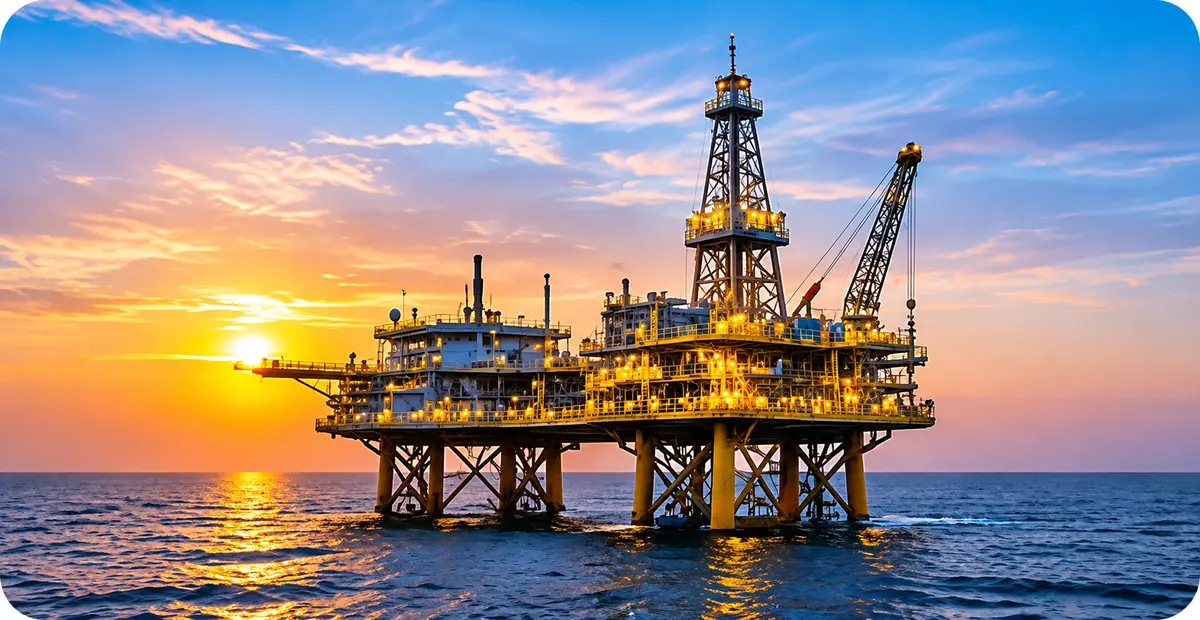
PetroAgent industrial domain
AI AGENT

PetroAgent

Production & Operations Intelligence

Well and production surveillance, artificial-lift performance, production deferment analysis, process monitoring, allocation context and operating optimisation.
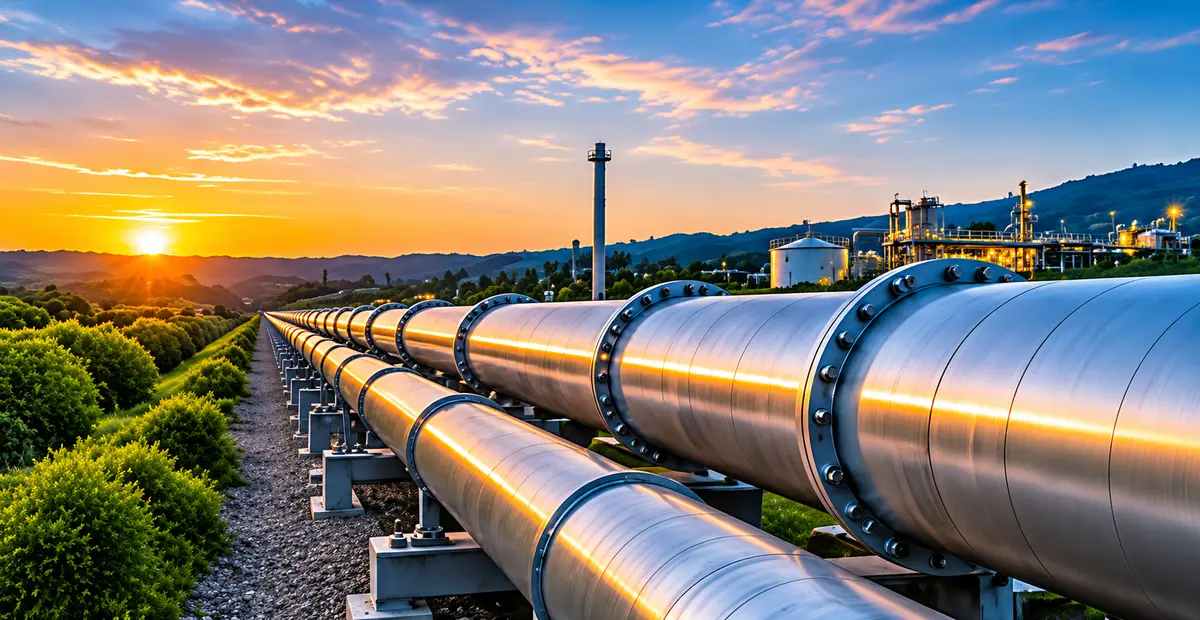
MethaneAgent industrial domain
AI AGENT

MethaneAgent

Methane & Emissions Intelligence

Flare and vent monitoring, methane measurement reconciliation, emissions quantification, leak investigation prioritisation and reduction opportunity analysis.
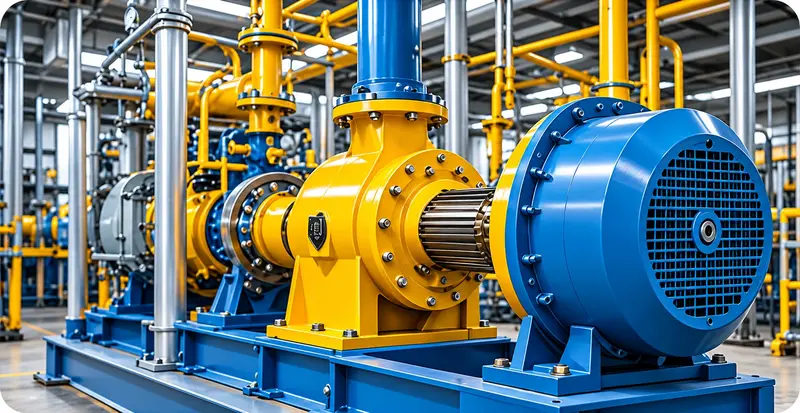
AssetAgent industrial domain
AI AGENT

AssetAgent

Asset Reliability Intelligence

Rotating and static equipment condition, vibration and process anomaly context, failure-risk assessment, maintenance prioritisation and reliability reporting.

DOMAIN CAPABILITIES

From fragmented signals to useful decisions.

Connect data, asset context, engineering knowledge and operational workflows.

Production surveillance

Bring well tests, daily production, choke settings, artificial-lift signals and facility constraints together to highlight changes in well and field performance.

Process and facility monitoring

Correlate pressure, temperature, flow, levels, equipment status and process events to support investigation of unstable or inefficient operation.

Methane and flare intelligence

Reconcile measured and calculated emissions, organise flare events, identify data gaps and support evidence-led emissions reduction planning.

Asset health and reliability

Combine condition indicators, operating history, maintenance records and criticality to rank equipment risks and focus reliability work.

Deferment and loss analysis

Classify production losses by well, facility, equipment, operating constraint and event window to make recovery opportunities easier to prioritise.

Operational reporting

Prepare traceable summaries with source signals, time windows, assumptions, findings and recommended next steps for review by authorised teams.

OPERATIONAL MEASURES

A practical view of performance.

Relevant measures depend on the asset, process, data quality and operating objective. These are examples of indicators the intelligence layer can help teams examine.

Production availabilityProduction defermentWell / facility uptimeArtificial-lift performanceFlare volume and durationMethane intensityEquipment health indicatorsMaintenance backlog risk
A GOVERNED OPERATING WORKFLOW

From signal to reviewed action.

Operational data → asset and process context → agent investigation → evidence-backed findings → engineer review → approved work or operating response